If you are an architect, designer, or artist working in the field of architecture, you are probably familiar with the term "photo matching". But what does this actually mean, and how could it benefit your work?
In a nutshell, photo matching is the process of using photographs as a reference to create 3D models, animations, or renderings of a building or structure. It involves taking detailed photos of a real-life location and using them to inform the design and appearance of a digital version of that location.
Why Use Photo Matching in Architectural Visualization?
There are a few key reasons why photo matching can be incredibly useful for architectural visualization projects:
Accuracy
One of the main benefits of photo matching is that it allows you to create highly accurate representations of real-life locations. By using photographs as a reference, you can ensure that your digital model or rendering is as close to the real thing as possible. This can be particularly important when working on projects where precision is key, such as historical restorations or renovations.
Efficiency
Photo matching can also save you a lot of time and effort in the design process. Instead of starting from scratch, you can use photographs to create a solid foundation for your digital model or rendering, which is especially helpful if you're working on a tight deadline or have a lot of other projects on your plate.
Creativity
While photo matching can help you create highly accurate models and renderings, it can also be a great way to flex your creativity. If you use photographs as your starting point, you are able to experiment with different design concepts and see how they would look in the real world. This can be a fun and rewarding way to approach an architectural visualization project.
How to Do Photo Matching in Architectural Visualization
Now that we have outlined what photo matching is and how it can be useful, it's time to figure out how to actually go about doing it. Here are the basic steps involved in the process:
1. Take detailed photographs of the real-life location you want to model or render. Make sure to capture a variety of angles and perspectives, and consider using a tripod or other stabilizing device to ensure that your photos are as sharp and clear as possible.
2. Use 3D modeling or rendering software to create a basic digital version of the location. This may involve creating simple shapes or objects to represent the different parts of the location, such as walls, windows, doors, and so on.
3. Import the photographs you took into your modeling or rendering software. You are then able to use these photos as a reference to help you shape and detail the digital version of the location. This may involve adjusting the size, shape, or placement of objects in the digital model to match the real-life location as closely as possible.
4. Continue to refine and detail the digital model as needed, using the photographs for reference. This might involve adding texturing, lighting, or other effects to make the model or rendering look more realistic.
5. When you are happy with the result, you can then use your digital model or rendering for any number of purposes, such as creating marketing materials, visualizing design concepts, or creating animations or interactive experiences.
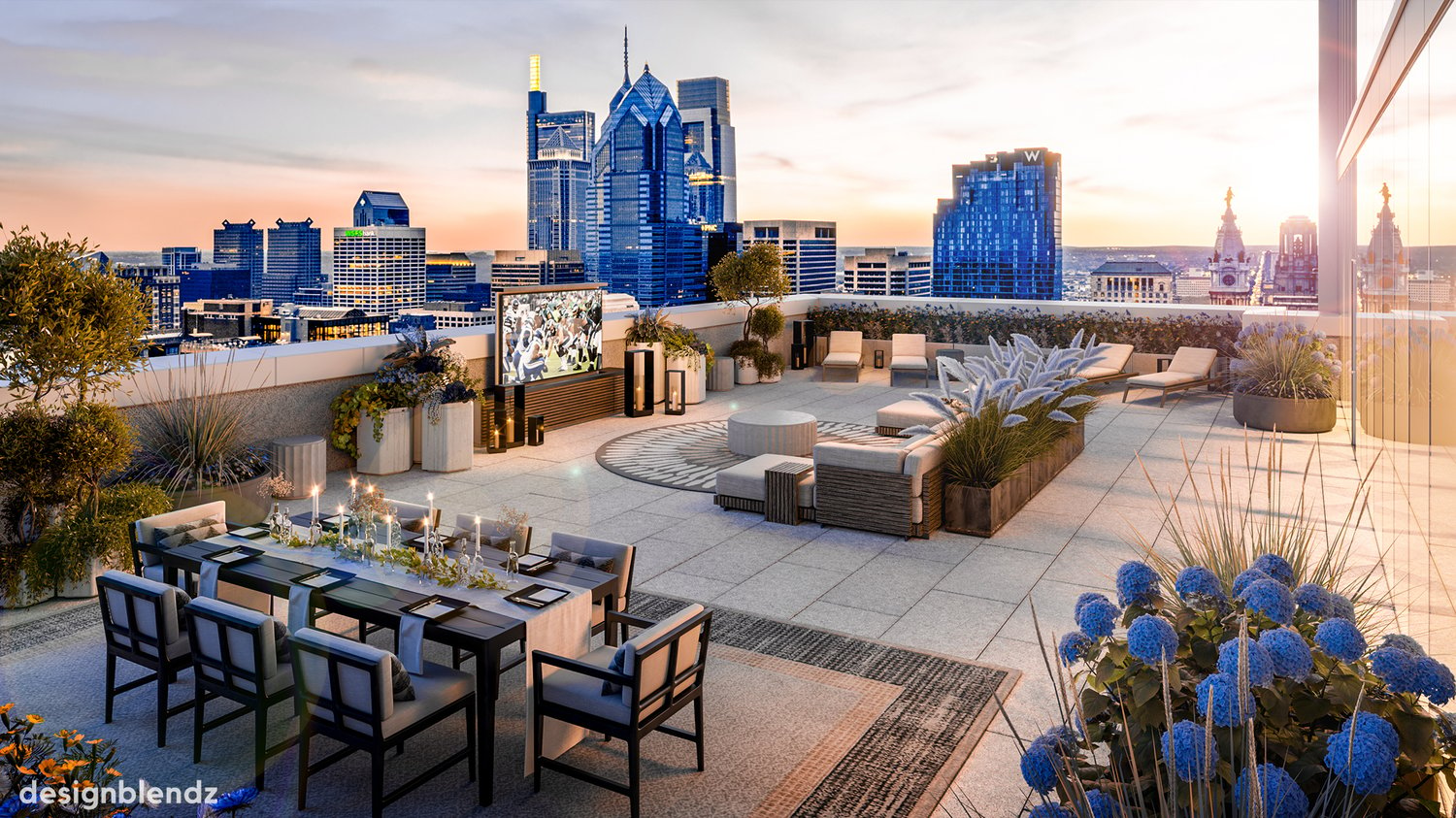
Overall, photo matching is a powerful tool for creating accurate, efficient, and creative architectural visualizations. By using photographs as a reference, you can create digital models and renderings that are as close to the real thing as possible, saving time and effort in the design process while still allowing for plenty of creative experimentation.
If you're in need of high-quality architectural visualization services, our team of experienced professionals is ready to bring your projects to life with photo matching and other techniques. Contact us today to learn more about how we can help bring your vision to life.